Introduction
Operating systems have always been the foundation of computing. They manage hardware, run applications, and create the environment that lets people work, communicate, and build digital products. For decades, traditional operating systems like Windows, macOS, and Linux have dominated personal computers and enterprise systems. But with the rise of cloud computing, mobile-first platforms, virtual desktops, and AI-powered interfaces, many people are starting to ask a bigger question: will traditional operating systems eventually disappear?
The Evolution of Operating Systems
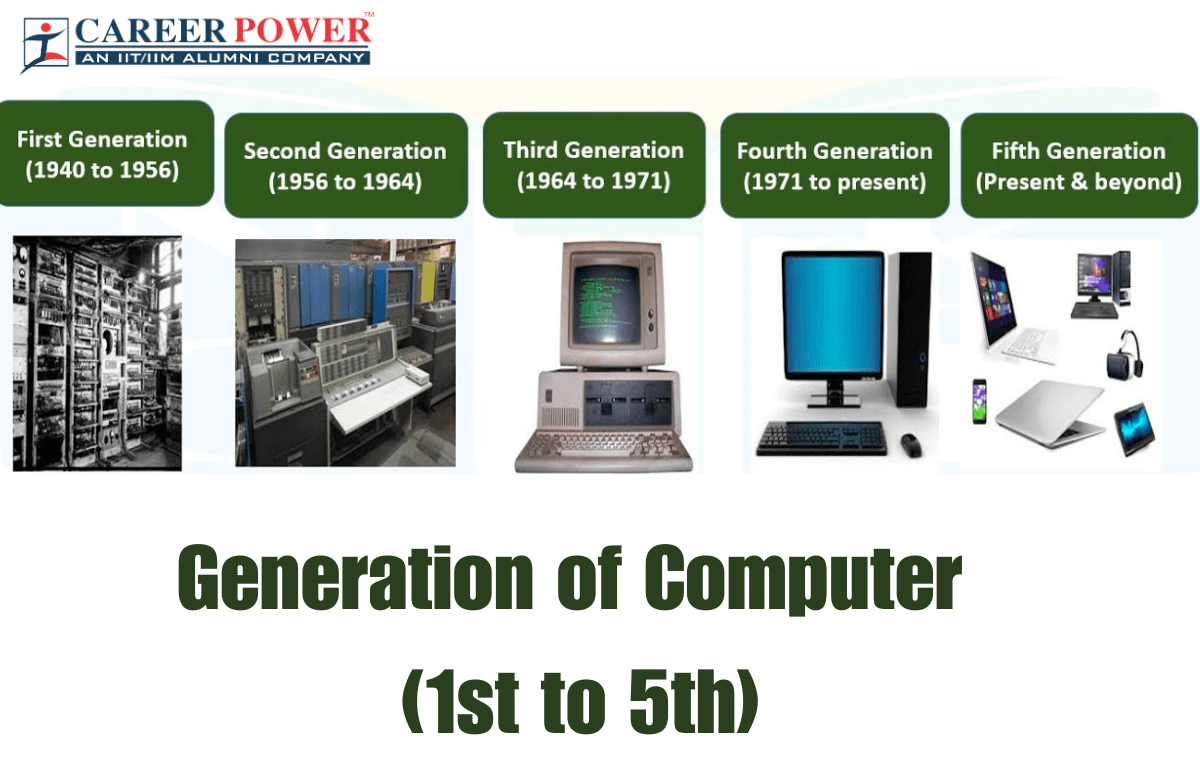
The history of operating systems reflects the broader history of computing itself. Early systems were built to control large, specialized machines and make them usable for basic tasks. As personal computers became common, operating systems evolved into user-friendly platforms with graphical interfaces, multitasking, file management, and broad software support. Later, mobile operating systems changed how people interacted with devices by prioritizing touch, apps, and constant connectivity.
Today, operating systems are no longer limited to a single physical machine. Many computing tasks now happen through browsers, cloud services, and virtual environments. This shift has changed the role of the OS from being the center of the computing experience to being one part of a much larger ecosystem.
Why This Question Matters Today
This question matters because the way people use technology is changing quickly. More users rely on web apps, cloud storage, streaming services, and AI tools than on traditional installed software. Businesses are also moving toward flexible, device-independent systems that reduce maintenance and improve scalability. At the same time, traditional operating systems still power most desktops, laptops, servers, and specialized systems around the world.
Understanding whether traditional operating systems will disappear is not just about predicting the future of technology. It is about understanding how people will work, how software will be delivered, and how computing itself will continue to evolve.
The History of Traditional Operating Systems
Traditional operating systems have played a central role in the development of modern computing. They began as specialized control systems for massive machines and eventually became the familiar interfaces that power home computers, office devices, and enterprise servers. Their evolution shows how computing changed from a technical challenge for experts into something accessible to everyday users.
From Mainframes to Personal Computers
The earliest operating systems were created for mainframes, where one machine served many users and handled large-scale calculations. These systems were designed for efficiency, stability, and resource management rather than convenience. Users often interacted with them through command lines, punch cards, or terminal sessions.
As computers became smaller and more affordable, operating systems evolved to support personal computing. The arrival of personal computers created a demand for software that was easier to use, more interactive, and capable of running multiple applications. This shift brought operating systems into homes, schools, and small businesses, making them a core part of daily digital life.
Key Milestones: Windows, macOS, and Linux
Several operating systems became major milestones in this evolution. Windows helped bring graphical interfaces to a wide audience and became the dominant choice for personal and business computing. macOS emphasized design, usability, and close integration between hardware and software, helping define the modern desktop experience. Linux introduced a flexible, open-source model that influenced servers, development environments, and embedded systems around the world.
Each of these platforms represented a different approach to the same goal: making computers more powerful, more usable, and more adaptable. Together, they shaped the standards that users still expect from operating systems today.
How Traditional OSs Shaped Computing
Traditional operating systems helped define how people interact with technology. They introduced familiar concepts such as windows, menus, files, folders, multitasking, and system settings. They also created the foundation for software installation, hardware drivers, user accounts, and security controls.
Beyond usability, traditional OSs made modern computing possible at scale. They allowed software developers to build applications for large audiences, gave businesses reliable platforms for operations, and supported the growth of the internet, enterprise networks, and digital productivity tools. Even as technology continues to change, the structure and ideas established by traditional operating systems remain deeply embedded in how computing works today.
Current Trends in OS Development
The landscape of operating systems is evolving rapidly. Traditional OSs are no longer the sole environment where computing happens. Emerging technologies, shifting user expectations, and the rise of artificial intelligence are driving innovation. Here are some of the most significant trends shaping OS development today.
Cloud-Based OS Solutions
Cloud computing has fundamentally changed the way operating systems are designed and used. Instead of being tied to a single device, cloud-based OS solutions allow users to access their workspace, files, and applications from anywhere with an internet connection. Systems like Chrome OS or virtual desktop infrastructures (VDI) leverage cloud storage and streaming applications to reduce hardware dependency and simplify updates. This trend allows organizations to manage devices more efficiently and ensures users always have access to the latest software without complicated installations.
AI-Integrated Operating Systems
Artificial intelligence is beginning to play a central role in OS functionality. Modern operating systems can now leverage AI to optimize performance, predict user behavior, manage resources, and improve security. For example, AI can intelligently allocate memory and CPU usage, suggest shortcuts based on user patterns, or even detect anomalies that indicate malware or system issues. As AI becomes more sophisticated, OSs may evolve into proactive assistants that adapt in real time to individual workflows, rather than remaining passive platforms.
Cross-Device and Platform Agility
Today’s users expect seamless experiences across multiple devices—laptops, tablets, smartphones, and IoT devices. Operating systems are evolving to support this cross-device agility, allowing applications and data to move smoothly between platforms. Features like unified cloud accounts, synchronized notifications, and adaptive interfaces are becoming standard. This trend reduces the reliance on a single OS for a complete user experience, making interoperability and flexibility just as important as performance and stability.
These trends indicate that the future of operating systems is moving away from rigid, device-bound software toward flexible, intelligent, and networked environments that can adapt to diverse user needs.
Factors Driving Change
Several major shifts in technology are pushing the role of traditional operating systems to change. Instead of serving as the center of every computing experience, the OS is increasingly becoming one layer in a much larger digital ecosystem.
Increasing Use of Mobile and Web Applications
More users now depend on mobile apps and browser-based tools than on software installed directly on a desktop operating system. Email, collaboration platforms, document editing, banking, shopping, and entertainment are all commonly accessed through web apps or smartphones. This reduces the importance of the traditional desktop OS for many everyday tasks.
As web technologies improve, users can do more without caring which operating system they are using. A browser can now deliver much of the same functionality across Windows, macOS, Linux, and mobile devices. This shift weakens the idea that a powerful local operating system is always necessary for productivity.
Rise of Virtualization and Containerization
Virtualization and containerization have changed how software is deployed and managed. Instead of relying on a single operating system installed directly on hardware, organizations can run multiple isolated environments on the same machine. This makes it easier to test applications, scale infrastructure, and separate workloads.
Containers, in particular, have made it possible to package applications with their dependencies so they run consistently across systems. This reduces the OS’s role as the main compatibility layer and moves more control to the application and platform level.
The Shift Toward Software-as-a-Service (SaaS)
SaaS has also reduced dependence on traditional operating systems. Instead of installing and maintaining complex desktop programs, users can access services through the cloud. This model simplifies updates, improves accessibility, and makes software available on almost any device.
For businesses, SaaS lowers maintenance costs and reduces the need to manage large numbers of local installations. For users, it means the experience depends less on the operating system and more on the service itself. Over time, this makes the OS less visible in the overall computing experience.
Challenges Facing Traditional OSs
Even though traditional operating systems remain essential, they face growing pressure from newer computing models. These challenges do not mean they are becoming obsolete, but they do show why their role is changing.
Hardware Independence vs. Legacy Software
One major challenge is balancing flexibility with compatibility. Modern users expect software and services to work across many devices, but traditional operating systems are often tied to specific hardware architectures or legacy application ecosystems. This creates friction when developers want to build lightweight, universal experiences.
At the same time, many organizations still depend on older applications that were built for specific operating systems. These legacy systems can be expensive to replace and difficult to modernize, which keeps traditional OSs in place even when newer alternatives exist.
Security and Update Management
Security has become one of the biggest responsibilities of operating systems. As systems grow more connected, they also become more exposed to malware, phishing, ransomware, and other threats. Traditional OSs must constantly patch vulnerabilities while keeping systems stable for users and businesses.
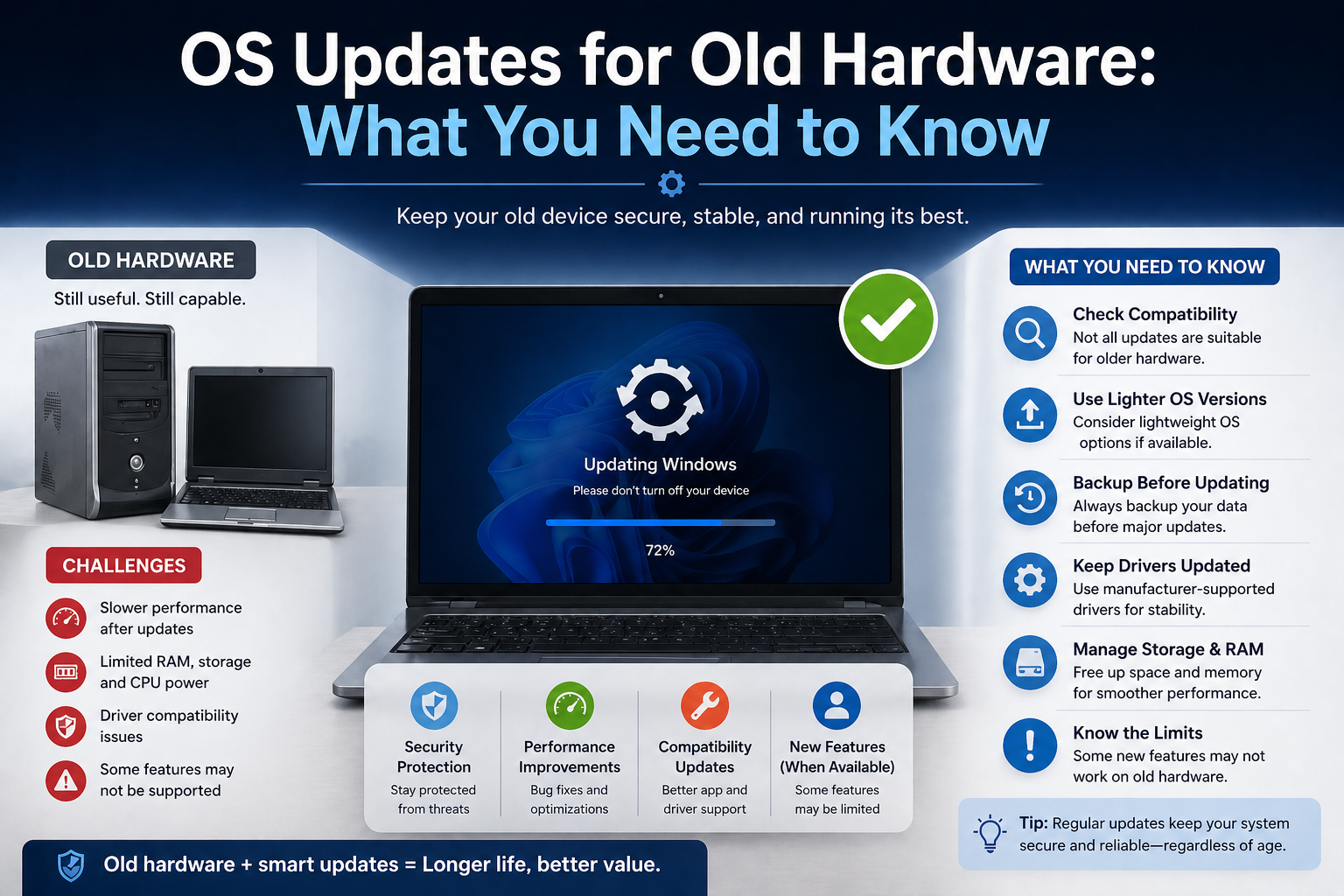
This creates a difficult balance. Frequent updates improve security, but they can also cause compatibility issues, restart interruptions, or unexpected bugs. Users and administrators often want both rapid protection and minimal disruption, which is not always easy to achieve.
Performance and Resource Optimization
Traditional operating systems must also compete with lightweight, cloud-based, and mobile-first platforms that are designed for speed and efficiency. Users increasingly expect fast startup times, low memory usage, and smooth performance even on older devices.
This puts pressure on OS developers to optimize resource consumption without removing important features. As operating systems become more feature-rich, they can also become heavier and more demanding. The challenge is to support modern functionality while still delivering a responsive experience on a wide range of hardware.
Together, these factors show why the future of operating systems is being shaped by more than just local software. The pressure is coming from how people work, how applications are delivered, and how computing is spread across devices and networks.
The Case for Continuation
Even with rapid changes in computing, traditional operating systems are not going away anytime soon. They still provide the reliability, compatibility, and control that many users and organizations depend on every day. In many environments, replacing them would create more problems than it solves.
Enterprise and Specialized Use Cases
Traditional operating systems remain essential in enterprise environments, where stability, security, and compatibility are critical. Large organizations often rely on desktop and server operating systems to run internal software, manage networks, support employees, and protect sensitive data. These systems are also deeply integrated with business workflows, making them difficult to replace quickly.
They are equally important in specialized fields such as healthcare, engineering, finance, manufacturing, and research. Many of these industries depend on software and hardware that were built around specific operating systems. In such cases, the OS is not just a convenience; it is part of the infrastructure that keeps core operations running.
Stability and Reliability of Mature OS Platforms
One of the strongest arguments for traditional operating systems is their maturity. Platforms like Windows, macOS, and Linux have been developed and refined over many years. That long history has made them more stable, more predictable, and better understood by users and IT teams.
Mature OS platforms also benefit from extensive testing, broad hardware support, and well-established update systems. While no operating system is perfect, traditional platforms offer a level of reliability that newer models often struggle to match. For businesses and power users, that consistency is often more valuable than novelty.
User Familiarity and Ecosystem Lock-In
Millions of users are already comfortable with traditional operating systems and the tools built around them. They know how to navigate files, install applications, manage settings, and troubleshoot common issues. This familiarity reduces friction and makes traditional OSs easier to learn, support, and maintain.
Another powerful factor is ecosystem lock-in. Many users and organizations have invested heavily in software, hardware, workflows, and training that depend on a specific operating system. Switching platforms can mean losing compatibility, spending more on migration, and retraining users. As a result, traditional OSs remain deeply embedded in both personal and professional computing.
Together, these strengths show that traditional operating systems still have a clear role in the future of computing. They may evolve, but their core value remains difficult to replace.
The Future of Operating Systems
The future of operating systems is likely to be shaped by flexibility rather than replacement. Instead of disappearing completely, traditional OSs may evolve into more intelligent, connected, and service-oriented platforms. The core ideas of Windows, macOS, and Linux will likely remain, but their role may become more blended with cloud services, AI tools, and cross-device ecosystems.
Hybrid Models: Traditional OS + Cloud/AI
One of the most likely directions for operating systems is a hybrid model. In this approach, the traditional local OS continues to manage hardware, security, and applications, while cloud services handle storage, synchronization, and heavy processing. This creates a more seamless experience across devices and reduces the limits of local hardware.
AI is also likely to become a standard part of this hybrid model. Future operating systems may use AI to help users find files, automate routine tasks, predict needs, and optimize performance in the background. Instead of being a separate feature, AI could become part of the OS itself, quietly improving the way people interact with their devices.
Fully Autonomous and Intelligent OS Concepts
Some future operating system concepts go beyond simple assistance and move toward autonomy. These systems could automatically adjust settings, detect problems before users notice them, manage resources in real time, and respond to threats without manual intervention. In theory, this would make computing more efficient and less dependent on technical knowledge.
However, fully autonomous OSs also raise important concerns. Users may not always want a system making major decisions on their behalf, especially when it comes to privacy, security, or performance. For that reason, the most realistic future is probably not a completely self-running OS, but one that becomes more adaptive while still leaving control in the user’s hands.
Predictions for the Next Decade
Over the next decade, operating systems will likely become less visible and more integrated into the services people use every day. Many tasks that once required local software may move further into the cloud, while AI will make systems smarter and more responsive. At the same time, traditional OSs will remain important for desktops, servers, development work, and specialized environments.
Rather than one type of OS replacing all others, the future will probably include a mix of models. Some users will rely on lightweight cloud-based systems, others will need powerful traditional platforms, and many will use a combination of both. The operating system of the future may not look very different on the surface, but behind the scenes, it will be far more connected, automated, and intelligent.
Conclusion
The question is not really whether traditional operating systems will vanish overnight. The more realistic answer is that they will continue to evolve in response to new technology and changing user expectations. Their form may change, but their purpose will remain important.
Will Traditional OSs Disappear or Evolve?
Traditional operating systems are unlikely to disappear completely. They still provide the structure needed to run hardware, manage software, and support secure computing environments. What is changing is how much of the user experience depends on the local OS versus cloud services, web apps, and AI-powered tools.
In that sense, traditional OSs are evolving rather than fading away. They are becoming more connected, more intelligent, and more adaptable to different kinds of devices and workloads. Their future is not about extinction, but transformation.
Final Thoughts on OS Evolution
Operating systems have always adapted to the needs of their time. From mainframes to personal computers, from desktops to mobile devices, and now from local software to cloud and AI integration, each stage of computing has reshaped what an OS does. That pattern is not ending anytime soon.
Traditional operating systems will likely remain a foundation of computing, even as their role becomes less obvious to the average user. The future belongs not to one kind of operating system, but to systems that combine stability, intelligence, and flexibility in new ways.
References / Further Reading
For readers who want to explore this topic further, useful areas of study include the history of operating systems, cloud computing, virtualization, containerization, artificial intelligence in system design, and the evolution of desktop and mobile platforms. Official documentation from Windows, Apple, Linux distributions, and major cloud providers can also provide valuable insight into where operating systems are headed next.