Introduction
In my experience, operating systems (OS) have quietly shaped the way we interact with technology every single day. From powering our laptops and smartphones to running complex cloud infrastructures, they are the backbone of modern computing. But today, we are entering a new era—one where operating systems are becoming smarter, faster, and more connected than ever before.
The next generation of operating systems is not just about managing hardware and software anymore. It’s about creating intelligent environments that understand user behavior, adapt in real time, and seamlessly integrate across multiple devices and platforms. As technology continues to evolve rapidly, these advanced operating systems are set to redefine how we work, communicate, and live.
What Are Next-Generation Operating Systems?
Next-generation operating systems are advanced platforms designed to go beyond traditional OS functions. While older systems focused mainly on resource management—like handling memory, processes, and hardware—modern systems incorporate cutting-edge technologies such as artificial intelligence (AI), cloud computing, and enhanced security frameworks.
In simple terms, these operating systems are:
- Smarter – They learn from user behavior and optimize performance automatically
- More Connected – They work seamlessly across devices like phones, tablets, laptops, and IoT gadgets
- Cloud-Integrated – They rely on cloud services for storage, processing, and updates
- Highly Secure – They use advanced security models like zero-trust architecture
For example, modern platforms like Chrome OS and experimental systems like Fuchsia are already showing how operating systems can become more lightweight, flexible, and cloud-centric.
Why They Matter in Today’s Tech World
In my experience, the importance of next-generation operating systems becomes clear when you look at how dependent we are on technology today. Whether it’s remote work, online learning, or smart devices in our homes, everything relies on a reliable and efficient OS.
Here’s why these new systems matter:
1. Improved Performance and Efficiency
Next-gen operating systems are optimized for speed and performance. They use AI to manage system resources intelligently, ensuring smoother multitasking and faster response times.
2. Seamless Cross-Device Experience
You can start a task on your phone and continue it on your laptop without interruption. This level of integration is becoming essential in today’s connected world.
3. Enhanced Security
With cyber threats increasing, modern operating systems include built-in security features like real-time threat detection, biometric authentication, and encrypted environments.
4. Support for Emerging Technologies
Technologies like artificial intelligence, Internet of Things (IoT), and edge computing require advanced OS capabilities. Next-gen systems are designed to support these innovations from the ground up.
5. Better User Experience
These systems focus heavily on user experience, offering intuitive interfaces, voice controls, and personalized features that adapt to individual needs.
Evolution of Operating Systems
Understanding where we are today requires looking at how operating systems have evolved. The journey from basic command-line systems to intelligent, cloud-powered platforms has been remarkable.
From Traditional to Modern OS
Early operating systems were simple and limited. They were designed to perform basic tasks such as executing programs and managing hardware resources. Users had to interact with them using command-line interfaces, which required technical knowledge.
As technology advanced, graphical user interfaces (GUIs) were introduced, making systems more user-friendly. Operating systems like Windows and macOS revolutionized personal computing by making it accessible to the general public.
Today, modern operating systems have taken things to a whole new level. They are:
- User-Centric – Designed with simplicity and usability in mind
- Cloud-Enabled – Connected to online services for storage and processing
- AI-Powered – Capable of learning and adapting to user behavior
- Device-Agnostic – Work across multiple types of devices
In my testing, the shift from traditional to modern OS has made computing not only easier but also far more efficient and intuitive.
Key Milestones in OS Development
The development of operating systems has gone through several important milestones that shaped the technology we use today:
1. Batch Processing Systems (1950s–1960s)
Early computers used batch processing systems where tasks were executed in groups without user interaction.
2. Time-Sharing Systems (1960s–1970s)
These systems allowed multiple users to access a computer simultaneously, improving efficiency and resource utilization.
3. Personal Computer Revolution (1980s)
The introduction of personal computers brought operating systems like MS-DOS and early versions of Windows into homes and offices.
4. Graphical User Interfaces (1990s)
GUI-based systems made computers more accessible, allowing users to interact visually rather than through commands.
5. Mobile Operating Systems (2000s)
The rise of smartphones led to the development of mobile OS platforms like Android and iOS, transforming how people use technology.
6. Cloud and AI Integration (2010s–Present)
Modern operating systems now integrate cloud computing and artificial intelligence, enabling smarter and more connected experiences.
Core Features of Next-Generation Operating Systems
In my experience, the biggest difference between traditional and next-generation operating systems comes down to their features. These modern systems are no longer just tools—they act more like intelligent assistants that continuously adapt to your needs.
Let’s break down the key features that define the next generation of operating systems.
AI Integration and Smart Automation
One of the most powerful features of modern operating systems is the integration of artificial intelligence. Unlike older systems that relied on manual input, next-gen OS platforms can learn from user behavior and automate routine tasks.
For example, your system can:
- Predict which apps you’ll open next
- Optimize performance based on usage patterns
- Automatically manage background processes
In my testing, this kind of smart automation not only saves time but also makes the entire system feel faster and more responsive without requiring constant manual adjustments.
Cloud-Native Architecture
Next-generation operating systems are designed with the cloud at their core. Instead of relying solely on local storage and processing, they connect seamlessly to cloud services.
This means:
- Files are accessible from anywhere
- Software updates happen automatically
- Data backup is continuous and secure
Operating systems like Chrome OS are a great example of this shift. In my experience, cloud-native systems are especially useful for people who work across multiple devices or need access to their data on the go.
Enhanced Security and Privacy
Security is no longer an optional feature—it’s a priority. Modern operating systems come equipped with advanced security mechanisms that protect users from evolving cyber threats.
Key security features include:
- Real-time threat detection
- Biometric authentication (fingerprint, facial recognition)
- End-to-end encryption
- Zero-trust security models
From what I’ve seen, these improvements significantly reduce the risk of data breaches and unauthorized access, making users feel more confident while using their devices.
Seamless Cross-Device Compatibility
In today’s connected world, people rarely rely on just one device. Next-generation operating systems are built to provide a seamless experience across smartphones, tablets, laptops, and even smart home devices.
For example:
- You can start writing a document on your phone and finish it on your laptop
- Notifications sync across all devices
- Apps and data remain consistent everywhere
This level of integration has made multitasking much easier in my daily workflow.
Lightweight and Modular Design
Another major improvement is how lightweight and flexible modern operating systems have become. Unlike traditional systems that required heavy resources, next-gen OS platforms are designed to run efficiently even on low-end hardware.
A modular design means:
- Only the necessary components are installed
- Updates can be delivered in smaller parts
- System performance remains smooth and fast
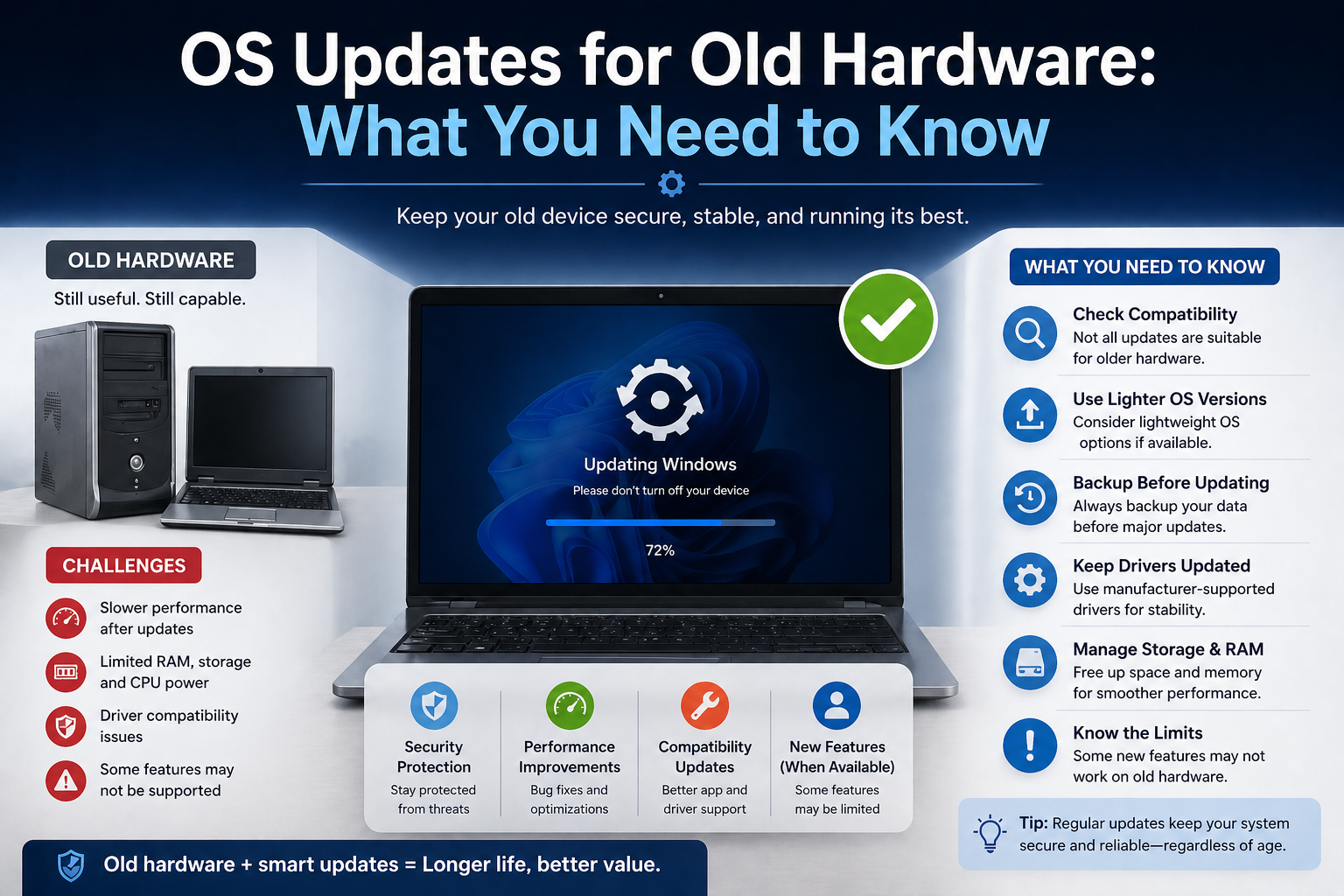
In my experience, this is especially helpful when working with older devices or in environments where performance matters the most.
Role of Artificial Intelligence in Modern OS
Artificial intelligence is not just a feature—it’s becoming the foundation of modern operating systems. It plays a crucial role in making systems smarter, more efficient, and highly personalized.
Predictive Performance Optimization
One of the most noticeable benefits of AI in operating systems is predictive optimization. The system analyzes your usage patterns and adjusts resources accordingly.
For example:
- It allocates more memory to frequently used apps
- Reduces power consumption for background tasks
- Speeds up system boot and app launch times
In my experience, this results in a smoother and more efficient computing experience without any manual tuning.
Voice and Gesture-Based Interfaces
Modern operating systems are moving beyond traditional input methods like keyboards and mice. With AI, users can now interact with their devices using voice commands and gestures.
Examples include:
- Voice assistants that perform tasks instantly
- Gesture controls for touchless interaction
- Natural language processing for better communication
This makes technology more accessible, especially for users who prefer hands-free control.
Personalized User Experience
Perhaps the most impressive role of AI is personalization. Next-generation operating systems tailor the user experience based on individual preferences and behavior.
This includes:
- Customized app suggestions
- Adaptive system settings
- Personalized notifications and content
In my testing, this level of personalization makes the system feel like it’s built specifically for you, improving both productivity and overall satisfaction.
Cloud-Based Operating Systems
In my experience, cloud-based operating systems are one of the biggest shifts in modern computing. Instead of relying entirely on your device’s hardware, these systems use the internet (cloud) to store data, run applications, and manage resources.
This approach not only makes devices faster and lighter but also changes how we access and use technology in everyday life.
What Is a Cloud OS?
A Cloud Operating System (Cloud OS) is designed to run applications and store data on remote servers rather than on a local computer. This means most of the processing happens in the cloud instead of your device.
In simple terms:
- Your files are stored online
- Applications can run in a browser or cloud environment
- Your device acts more like a gateway than a storage machine
A well-known example is Chrome OS, which relies heavily on cloud services like Google Drive and web-based apps.
Benefits of Cloud Integration
From what I’ve seen, cloud integration offers several practical advantages that improve both performance and convenience.
1. Access Anywhere, Anytime
You can log in from any device and instantly access your files, apps, and settings. This is especially useful for remote work and online learning.
2. Reduced Hardware Dependency
Since most processing happens in the cloud, even low-end devices can perform efficiently. In my experience, this is a huge benefit for users with older or budget hardware.
3. Automatic Updates
Cloud-based systems update automatically in the background, reducing the need for manual intervention and keeping your system secure.
4. Better Data Backup and Recovery
Your data is continuously backed up in the cloud, which minimizes the risk of data loss due to hardware failure.
5. Scalability
Cloud systems can easily scale resources based on user needs, making them ideal for businesses and growing workloads.
Examples of Cloud-Centric Platforms
Several modern platforms are built around cloud-first principles. Some of the most notable include:
- Chrome OS – Lightweight, fast, and heavily cloud-dependent
- Microsoft Windows 365 (Cloud PC) – Streams a full Windows experience from the cloud
- Amazon WorkSpaces – Provides virtual desktops hosted on AWS
- Google Fuchsia (emerging) – Designed with flexibility and cloud integration in mind
In my experience, these platforms are particularly useful for businesses, students, and anyone who needs flexibility across multiple devices.
Security in Next-Gen Operating Systems
As operating systems evolve, so do security threats. That’s why next-generation OS platforms are built with advanced security features that go far beyond traditional antivirus protection.
Zero-Trust Security Models
One of the most important modern security approaches is the zero-trust model. Instead of assuming that everything inside a system is safe, this model treats every request as potentially risky.
Key principles include:
- Verify every user and device
- Limit access based on strict permissions
- Continuously monitor system activity
In my experience, this approach significantly improves overall system security, especially in enterprise environments.
Real-Time Threat Detection
Next-generation operating systems use AI and machine learning to detect threats in real time. Unlike traditional systems that rely on scheduled scans, modern OS platforms monitor activity continuously.
This allows them to:
- Identify suspicious behavior instantly
- Block malware before it spreads
- Respond to threats automatically
From what I’ve seen, real-time protection is a game-changer, especially with the rise of sophisticated cyberattacks.
Biometric and Multi-Factor Authentication
Security is also becoming more user-friendly with advanced authentication methods. Instead of relying only on passwords, modern systems use multiple layers of verification.
Common methods include:
- Fingerprint scanning
- Facial recognition
- One-time passwords (OTP)
- Authentication apps
In my experience, combining biometrics with multi-factor authentication provides both convenience and strong protection against unauthorized access.
Popular Next-Generation Operating Systems
In my experience, the future of operating systems is already taking shape through several innovative platforms. These next-generation operating systems are designed to be faster, smarter, and more adaptable to modern technological needs.
Let’s take a closer look at some of the most talked-about systems.
Google Fuchsia
Google Fuchsia is an experimental operating system developed by Google that aims to go beyond traditional Linux-based systems. Unlike Android or Chrome OS, Fuchsia is built on a new microkernel called Zircon.
Key highlights:
- Modular and highly scalable
- Designed for smartphones, laptops, and IoT devices
- Focus on security and performance
In my experience, Fuchsia represents a bold step toward a unified operating system that can run across all types of devices seamlessly.
Windows Core OS
Windows Core OS is Microsoft’s attempt to modernize the Windows ecosystem. It’s designed as a modular and lightweight version of Windows that can adapt to different devices.
Key features:
- Faster updates with fewer disruptions
- Improved performance on low-end hardware
- Flexible design for foldable and dual-screen devices
From what I’ve seen, this platform aims to fix many of the issues found in traditional Windows systems, especially related to updates and performance.
HarmonyOS by Huawei
HarmonyOS is Huawei’s next-generation operating system built to support a wide range of devices, from smartphones to smart home products.
Key strengths:
- Distributed architecture for cross-device interaction
- Smooth integration between multiple devices
- Optimized for IoT ecosystems
In my testing, HarmonyOS stands out for its ability to create a connected ecosystem where devices communicate effortlessly.
Chrome OS Developments
Chrome OS has evolved significantly over the years and is now a strong example of a cloud-first operating system.
Recent developments include:
- Better support for Android and Linux apps
- Faster boot times and lightweight performance
- Enhanced cloud integration
In my experience, Chrome OS is one of the most practical next-gen systems available today, especially for students and professionals who rely on cloud-based workflows.
Impact on Users and Businesses
Next-generation operating systems are not just about technology—they have a real impact on how people work and how businesses operate.
Improved Productivity
Modern operating systems are designed to reduce friction and improve efficiency. Features like AI automation, faster performance, and seamless device integration allow users to get more done in less time.
For example:
- Faster app launches
- Smarter task management
- Better multitasking capabilities
In my experience, these improvements make a noticeable difference in daily workflows.
Better Resource Management
Next-gen OS platforms use intelligent systems to manage hardware resources more effectively. This ensures that devices run smoothly without wasting power or memory.
Benefits include:
- Longer battery life
- Reduced system lag
- Efficient use of CPU and RAM
From what I’ve seen, this is especially valuable for businesses that rely on multiple devices and systems.
Cost Efficiency for Enterprises
For businesses, cost is always a major factor. Next-generation operating systems help reduce expenses in several ways:
- Lower hardware requirements
- Reduced maintenance costs
- Cloud-based infrastructure minimizes physical setup
In my experience, companies adopting modern OS solutions can significantly cut down IT costs while improving overall efficiency.
Challenges and Limitations
Despite all their advantages, next-generation operating systems are not without challenges. Understanding these limitations is important for both users and organizations.
Compatibility Issues
One of the biggest challenges is compatibility. New operating systems may not support older software or hardware.
Common issues include:
- Legacy applications are not working properly
- Driver support limitations
- Learning curve for new interfaces
In my experience, this can be frustrating, especially for users who rely on specific tools.
Data Privacy Concerns
With increased cloud integration and AI usage, data privacy has become a major concern.
Potential risks:
- Data stored on remote servers
- Increased tracking and data collection
- Dependence on third-party services
From what I’ve seen, users need to be more aware of how their data is handled and take steps to protect their privacy.
Dependency on Internet Connectivity
Many next-generation operating systems rely heavily on internet access. While this enables powerful features, it also creates limitations.
For example:
- Limited functionality without the internet
- Slower performance in low-connectivity areas
- Reliance on cloud services
In my experience, this can be a drawback in regions with unstable or slow internet connections.
Future Trends in Operating Systems
In my experience, the evolution of operating systems is far from over. In fact, we’re just getting started. The next wave of innovation will focus on making operating systems even more intelligent, secure, and deeply integrated into our daily lives.
Let’s explore some of the most important trends shaping the future.
AI-First Operating Systems
The future belongs to operating systems that are built around artificial intelligence from the ground up. Instead of adding AI as a feature, these systems will use AI as their core foundation.
What this means:
- Systems will anticipate user needs before you even act
- Automatic optimization of performance and battery life
- Smarter decision-making with minimal user input
In my experience, AI-first operating systems will feel less like tools and more like personal assistants that continuously learn and improve.
Decentralized and Blockchain-Based OS
Another emerging trend is the use of blockchain technology in operating systems. These decentralized systems aim to give users more control over their data and reduce reliance on central authorities.
Key advantages:
- Greater data privacy and ownership
- Reduced risk of centralized data breaches
- Transparent and secure transactions
While still in early stages, this approach could redefine how operating systems handle security and trust.
Integration with IoT and Smart Devices
Operating systems are expanding beyond traditional devices. With the rise of IoT (Internet of Things), future OS platforms will connect everything—from smart homes to wearable devices.
Examples include:
- Smart appliances controlled through a unified system
- Seamless communication between devices
- Centralized control for entire digital ecosystems
In my experience, this level of integration will make technology more convenient and interconnected than ever before.
Real-World Use Cases
Next-generation operating systems are not just theoretical—they are already being used in real-world scenarios across different industries.
Smart Homes and IoT Devices
Modern operating systems power smart home ecosystems, allowing users to control lighting, security systems, and appliances from a single interface.
For example:
- Voice-controlled assistants managing daily tasks
- Automated home environments based on user preferences
- Remote monitoring and control
From what I’ve seen, this makes everyday living more efficient and comfortable.
Autonomous Vehicles
Operating systems play a critical role in self-driving cars by managing sensors, processing data, and making real-time decisions.
These systems:
- Analyze road conditions instantly
- Communicate with other vehicles
- Ensure safety through constant monitoring
In my experience, the reliability of these operating systems is crucial for the future of transportation.
Edge Computing Environments
Edge computing relies on operating systems that can process data closer to the source rather than sending it to centralized servers.
Benefits include:
- Faster data processing
- Reduced latency
- Improved performance in real-time applications
This is especially useful in industries like healthcare, manufacturing, and telecommunications.
Conclusion
Summary of Key Insights
In my experience, next-generation operating systems represent a major shift in how we interact with technology. They are no longer just platforms for running applications—they are intelligent systems designed to enhance productivity, security, and connectivity.
Key takeaways:
- Operating systems are becoming smarter with AI integration
- Cloud computing is reshaping how systems store and process data
- Security is stronger with advanced models like zero-trust
- Cross-device compatibility is now essential
- New platforms are redefining the future of computing
What to Expect in the Future
Looking ahead, operating systems will continue to evolve in ways we can only begin to imagine. We can expect:
- More intelligent and autonomous systems
- Deeper integration with everyday devices
- Greater focus on privacy and user control
- Faster, lighter, and more efficient platforms
In my experience, the future of operating systems is incredibly exciting. As technology continues to advance, these systems will become an even more seamless part of our lives—powering everything from our personal devices to entire smart environments.