Introduction
Linux is one of the most flexible and widely used operating systems in the world. Unlike proprietary systems, Linux comes in many different versions known as distributions, or “distros.” These distributions package the Linux kernel together with software, tools, and user interfaces to create complete operating systems suited for different purposes. Whether someone is building a server, developing software, or simply using a personal computer, there is a Linux distribution designed to meet those needs.
One of the key factors that differentiates Linux distributions is their release model. The release model determines how often the system receives updates, how new features are introduced, and how software versions are managed over time. Understanding these release models helps users choose a distribution that fits their workflow, stability needs, and desire for the latest software.
In the Linux ecosystem, the two most common release models are rolling release and fixed release. Each approach has its own advantages and trade-offs. By understanding how these models work, users can make better decisions about which distribution suits their needs.
What Linux Distributions Are
A Linux distribution is a complete operating system built around the Linux kernel. It includes essential system utilities, libraries, package management tools, desktop environments, and additional applications. Distributions package these components together to provide a ready-to-use system for users.
Different Linux distributions focus on different goals. Some prioritize stability and long-term reliability, while others focus on providing the newest software and technologies. For example, distributions like Ubuntu and Debian are well known for stability and wide compatibility, while distributions like Arch Linux emphasize simplicity, customization, and access to the latest software packages.
Linux distributions also differ in their package managers, desktop environments, system configurations, and support cycles. However, one of the most significant differences between them lies in how they deliver updates and new versions, which is determined by their release model.
Why Release Models Matter in Linux
The release model of a Linux distribution determines how the system evolves. It affects how often users receive new features, security updates, and software upgrades.
For example, some distributions release major versions at scheduled intervals, such as every six months or every two years. These versions are tested thoroughly to ensure stability before being released to users. Other distributions continuously update software packages without requiring users to reinstall or upgrade to a new version of the operating system.
Because of these differences, the release model influences several important aspects of the user experience, including:
- System stability
- Access to the latest software
- Frequency of updates
- Maintenance effort required
- Compatibility with hardware and applications
For businesses, servers, and production environments, stability and predictability may be more important than cutting-edge features. On the other hand, developers and enthusiasts may prefer faster access to new tools and technologies.
Understanding release models helps users choose the right balance between stability and innovation.
Understanding Linux Distribution Release Models
Linux distributions use different strategies to manage updates and software releases. These strategies are commonly referred to as release models. A release model defines how new versions of the operating system and its software packages are delivered to users.
The two primary release models are rolling release and fixed release. Each model follows a different philosophy when it comes to updates and software maintenance.
In a rolling release model, updates are delivered continuously, allowing users to always run the latest versions of software. In contrast, a fixed release model provides stable versions of the system at regular intervals, with updates mainly focused on security and bug fixes.
Understanding these models helps users predict how often their system will change and what kind of maintenance will be required.
Overview of Release Cycles
A release cycle refers to the schedule and process through which a Linux distribution publishes updates and new versions. It includes development, testing, release, and maintenance phases.
In fixed release distributions, developers work on a new version for a certain period. Once the version is ready, it is released to the public. After the release, the distribution usually receives security updates and bug fixes, but major software versions remain mostly unchanged until the next release.
For example, distributions like Ubuntu and Fedora follow scheduled release cycles, providing predictable updates and stable environments.
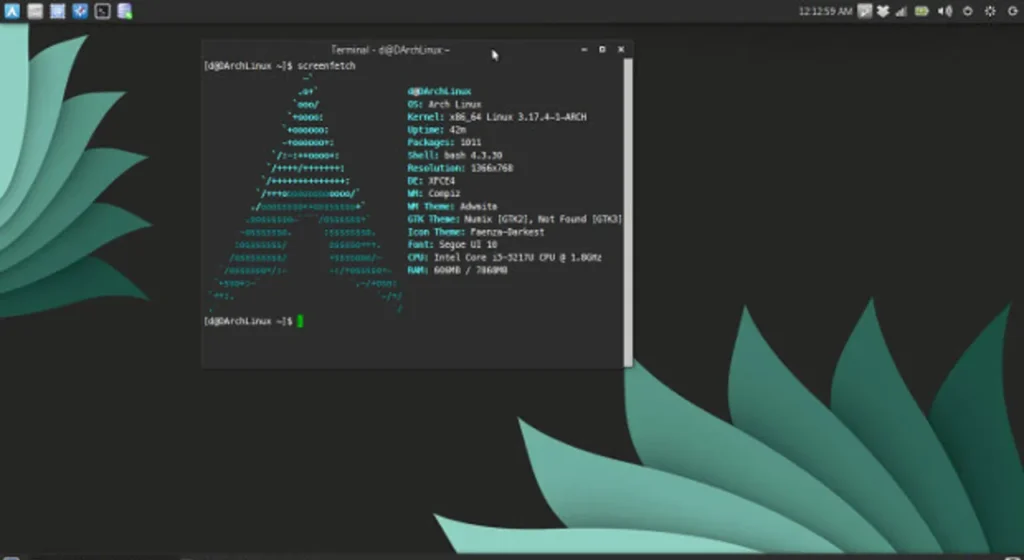
Rolling release distributions follow a different approach. Instead of releasing major versions, they continuously update packages as soon as they are ready. Distributions like Arch Linux and openSUSE Tumbleweed allow users to stay up to date with the newest software without reinstalling the operating system.
How Release Models Affect System Updates
The release model directly affects how updates are delivered and managed on a Linux system.
In fixed release distributions, updates are typically conservative. Most updates focus on security patches, bug fixes, and stability improvements. Major software upgrades are usually reserved for the next version of the distribution. This approach ensures a stable environment, which is particularly important for servers and enterprise systems.
In rolling release distributions, updates occur much more frequently. New versions of software packages, kernels, and drivers are released continuously. This means users always have access to the latest features and improvements, but it may also require more attention to system maintenance.
The update strategy can influence several aspects of system usage, including:
- System stability and reliability
- Compatibility with applications
- Hardware support
- Frequency of system maintenance
What Is a Rolling Release Distribution?
Definition and Core Concept
A rolling release distribution is a type of Linux distribution that continuously delivers software updates instead of releasing separate major versions. Once installed, the system is regularly updated with the latest packages, features, and security patches without requiring a full operating system upgrade. This model ensures that users always run the newest available software.
How Rolling Updates Work
In a rolling release system, developers constantly update packages in the distribution’s repositories. When users run their package manager to update the system, the latest versions of the kernel, applications, and system libraries are installed. Instead of upgrading from version 1 to version 2 of the operating system, the system evolves gradually through small, frequent updates.
Advantages of Rolling Release Distros
- Latest Software: Users receive the newest versions of applications, drivers, and kernels quickly.
- No Major Upgrades: There is no need to reinstall or upgrade the operating system to a new version.
- Continuous Improvements: Features, performance improvements, and bug fixes arrive regularly.
- Ideal for Power Users and Developers: Those who want cutting-edge tools often prefer rolling releases.
Disadvantages of Rolling Release Distros
- Potential Stability Issues: Frequent updates may occasionally introduce bugs or compatibility problems.
- More Maintenance: Users must update the system regularly to avoid dependency issues.
- Not Always Ideal for Production Systems: Businesses and servers often prefer predictable, stable environments.
Popular Rolling Release Linux Distributions
Several well-known Linux distributions use the rolling release model:
- Arch Linux – A lightweight and highly customizable distribution aimed at experienced Linux users.
- Manjaro – A user-friendly distribution based on Arch Linux that simplifies installation and maintenance.
- openSUSE Tumbleweed – A rolling release version of openSUSE known for strong testing and stability.
- Gentoo – A source-based distribution that allows extensive customization and optimization.
What Is a Fixed Release Distribution?
Definition and Core Concept
A fixed release distribution follows a scheduled release cycle where new versions of the operating system are released at specific intervals, such as every six months or every two years. Each version includes a defined set of software packages that remain mostly unchanged during its support period.
Scheduled Release Cycles
In fixed release models, developers prepare and test a stable version before publishing it. Once released, the distribution receives mainly security patches, bug fixes, and minor updates until the next major version arrives. Users can choose to upgrade to the new version when it becomes available.
Advantages of Fixed Release Distros
- Greater Stability: Software versions are carefully tested before release.
- Predictable Updates: Users know when the next major release will arrive.
- Better for Production Environments: Servers and enterprise systems benefit from stability and long-term support.
- Easier Maintenance: Fewer changes occur during the lifecycle of each release.
Disadvantages of Fixed Release Distros
- Older Software Versions: Applications and drivers may become outdated before the next release.
- Periodic Upgrades Required: Users must eventually upgrade to a new version to continue receiving updates.
- Slower Access to New Features: Cutting-edge improvements may take longer to reach users compared to rolling releases.
Popular Fixed-Release Linux Distributions
Several Linux distributions follow the fixed release model, providing stable versions with scheduled updates and long-term support.
Ubuntu
Ubuntu is one of the most popular Linux distributions and follows a fixed release schedule. New versions are typically released every six months, while Long-Term Support (LTS) versions appear every two years and receive updates for several years. Ubuntu is widely used on desktops, servers, and cloud environments due to its stability, large community support, and extensive software repositories.
Debian
Debian is known for its strong focus on stability and reliability. New Debian releases are published only after extensive testing, which means release intervals can vary. Because of its dependable nature and long support cycles, Debian is commonly used for servers and critical systems where reliability is more important than having the newest software.
Linux Mint
Linux Mint is based mainly on Ubuntu’s LTS releases and aims to provide a simple and user-friendly desktop experience. It includes preinstalled applications, multimedia support, and a polished interface, making it especially popular among beginners and users transitioning from Windows.
Fedora
Fedora follows a predictable release cycle of about six months. While it is technically a fixed release distribution, it often includes relatively recent software and technologies. Fedora frequently serves as a testing ground for innovations that later appear in enterprise distributions such as Red Hat Enterprise Linux.
Key Differences Between Rolling and Fixed Release Distros
Rolling release and fixed release distributions differ in how they deliver updates, maintain stability, and manage software versions.
Update Frequency
Rolling release distributions provide continuous updates, meaning new software versions, kernels, and drivers are delivered regularly. In contrast, fixed release distributions provide updates mainly for security and bug fixes, while major software upgrades usually come with the next official version.
Stability vs Latest Features
Rolling release systems prioritize access to the latest features and technologies. However, this can occasionally introduce instability if new updates contain bugs. Fixed release distributions focus on stability and reliability, as software versions are thoroughly tested before each release.
Maintenance Requirements
Rolling release distributions generally require users to update their systems frequently to keep packages compatible and avoid dependency conflicts. Fixed release distributions require less frequent maintenance during their lifecycle, although users must eventually perform a major upgrade when a new version is released.
Software Availability
Rolling release distributions usually provide the most recent versions of applications soon after they are released. Fixed release distributions may include older but well-tested versions of software, which helps maintain stability but can limit access to the latest features.
System Reliability
Fixed release distributions tend to be more predictable and reliable for long-term use, especially in enterprise environments. Rolling release distributions can also be reliable but may require more attention from users when large updates are introduced.
Security Updates in Both Models
Security is an essential aspect of any operating system, and both release models have different approaches to delivering security fixes.
How Rolling Releases Handle Security Fixes
Rolling release distributions provide security patches as soon as they are available. Because updates are continuous, vulnerabilities can often be fixed quickly through regular system updates. However, these updates may arrive alongside other software changes, which sometimes require additional testing by the user.
How Fixed Releases Deliver Security Patches
In fixed release distributions, security patches are usually delivered separately from feature updates. Developers maintain stable versions of packages and backport security fixes to them. This means the software version may remain the same while still receiving important security improvements, ensuring both stability and protection.
Performance and Stability Comparison
The performance and reliability of a Linux system can depend on the chosen release model and how frequently updates occur.
Stability for Production Systems
Fixed release distributions are generally preferred for servers, enterprise systems, and production environments. Their predictable release cycles and carefully tested software reduce the risk of unexpected issues that could disrupt important services.
Performance Improvements Through Updates
Rolling release distributions often benefit from faster performance improvements because they quickly receive new kernels, drivers, and optimized software versions. These updates can improve hardware support and system efficiency. Fixed release systems may gain similar improvements, but typically only when a new version of the distribution is released.
Which Release Model Is Best for You?
Choosing between a rolling release and a fixed release Linux distribution depends on your experience level, needs, and how you plan to use your system. Here’s a detailed guide:
For Beginners
Beginners are usually better off with fixed release distributions like Ubuntu or Linux Mint. These distributions provide a stable environment, predictable updates, and user-friendly tools. Since the software is thoroughly tested before release, beginners are less likely to encounter dependency conflicts or system breakages. Long-Term Support (LTS) versions also give new users peace of mind with years of updates without the need for major upgrades.
For Developers
Developers may prefer rolling release distributions such as Arch Linux or openSUSE Tumbleweed. Continuous access to the latest programming languages, libraries, and compilers can improve productivity and testing. Rolling releases allow developers to work with cutting-edge tools without waiting for the next fixed version. However, developers should be comfortable with troubleshooting occasional update issues.
For Servers and Enterprises
Servers and enterprise environments often rely on fixed release distributions like Debian or Ubuntu LTS. Stability, security, and predictable update cycles are critical in these settings. Backported security patches ensure the system remains secure without introducing potentially destabilizing changes. This approach minimizes downtime and makes long-term maintenance easier.
For Power Users and Enthusiasts
Power users and enthusiasts who enjoy customizing their systems and exploring the latest technologies typically favor rolling release distributions. These users benefit from the most up-to-date software, newer kernels, and frequent feature improvements. While this model offers flexibility and advanced features, it requires a proactive approach to system maintenance and updates.
Common Myths About Rolling and Fixed Releases
Linux release models are often misunderstood. Here are some common myths clarified:
Are Rolling Releases Always Unstable?
This is not necessarily true. Rolling release distributions can be very stable, especially those with strong testing communities like Manjaro or openSUSE Tumbleweed. While rolling releases do carry a slightly higher risk of minor bugs due to continuous updates, many users run them daily without major issues. Stability often depends on the user’s willingness to apply updates promptly and handle occasional conflicts.
Are Fixed Releases Outdated?
Fixed release distributions are not inherently outdated. While they may include slightly older software versions, these versions are well-tested and optimized for stability. Fixed releases prioritize reliability and long-term support over bleeding-edge features. Users can still install newer applications or backport packages when necessary, so they don’t have to miss out entirely on updated software.
Tips for Choosing the Right Linux Distribution
Selecting the right Linux distribution can greatly affect your experience, system stability, and productivity. Here are some detailed tips to guide your choice:
Consider Your Use Case
Your intended use of Linux should drive your decision. For everyday desktop use, distributions like Ubuntu or Linux Mint provide stability, ease of use, and a wide range of preinstalled applications. For development or testing cutting-edge software, rolling release distributions such as Arch Linux or openSUSE Tumbleweed are better suited. Servers and enterprise environments benefit from fixed releases like Debian, where reliability and predictable updates are crucial.
Hardware Compatibility
Ensure the distribution you choose supports your hardware. Some distributions include proprietary drivers or pre-configured settings that make installation easier on certain systems. For example, Manjaro is known for excellent out-of-the-box hardware support, while distributions like Gentoo allow extensive customization for optimized performance but require manual configuration. Checking compatibility with graphics cards, Wi-Fi adapters, printers, and peripherals is especially important for older or specialized hardware.
Long-Term Support Needs
Consider how long you want your system to remain supported without a major upgrade. Fixed release distributions often offer Long-Term Support (LTS) versions, like Ubuntu LTS, which receive security updates and bug fixes for several years. This is ideal for servers, production environments, or users who prefer minimal maintenance. Rolling release distributions, by contrast, provide continuous updates but require regular maintenance to stay secure and stable. Choosing a distribution with the right support lifecycle ensures your system remains functional and secure for your intended period of use.
Conclusion
Summary of Key Differences
- Release cadence: Rolling releases continuously update; fixed releases ship set versions on a schedule.
- Stability vs. freshness: Fixed releases prioritize tested stability; rolling releases prioritize newest features and drivers.
- Maintenance: Rolling requires more frequent updates and attention; fixed needs fewer routine changes but occasional major upgrades.
- Security: Both can be secure — rolling delivers patches immediately with other updates, and fixed backports patches to stable releases.
- Use cases: Fixed is better for predictable production environments; rolling suits power users and those who need cutting-edge software.
Final Recommendations
- If you want low-maintenance, predictable stability → choose a fixed release like Ubuntu or Debian.
- If you’re a beginner who wants an easy desktop experience → consider Linux Mint.
- If you prefer the latest tools and are comfortable troubleshooting → pick a rolling release such as Arch Linux, Manjaro, or openSUSE Tumbleweed.
- For a balance of newer tech with structured releases, consider Fedora.
- If you want extreme customization and optimization (source-based) → look at Gentoo.
Pick the model that matches your tolerance for updates and the importance of stability versus new features — that will give you the best long-term experience.